Good pruning works with a tree’s natural form. From deadwood removal to clearance over a roof or driveway, Dogwood plans tree pruning and tree trimming around the species, condition, season and outcome you want.
Purposeful tree pruning targets specific branches for clearance, structure or maintenance. Species, condition and the amount of living canopy retained determine the appropriate cuts and timing.
Prune for a purpose
Start with the problem you want to solve: rubbing branches, deadwood, roof clearance, an obstructed route or a crown that needs attention. A focused pruning plan is more useful than cutting back every branch by the same amount. We discuss the amount and type of work before starting.
A balanced canopy
Selective pruning can improve clearance and reduce problematic growth without stripping a tree of its shape. The right cuts depend on branch attachment, tree health and the amount of live foliage that can sensibly be retained. Heavy pruning should never be the default.
A plan for future growth
Trees keep growing after a visit. For an established garden, consider ongoing tree maintenance and a realistic clearance target rather than a one-time extreme reduction. Fruit and ornamental trees can need different timing and methods, so those are assessed separately.
Roof clearance and structural pruning are different goals
Clearance pruning addresses branches near a roof, gutter, driveway or walkway. Structural pruning considers how branches develop and attach, especially while a tree is young. Deadwood removal addresses another part of the canopy. Combining these objectives in a clear plan is more useful than asking for a percentage cut from every side. Describe the clearance you need and the form you want to preserve.
A tree maintenance plan that accounts for regrowth
The best interval between pruning visits depends on growth, the species and the space available. Fast regrowth near a building may call for a different plan from a slowly growing specimen in an open garden. Record what was pruned and why, watch how the tree responds, and reassess when the original objective needs attention again. Extreme cuts can create more future work rather than solve a recurring clearance problem.
Choose the pruning objective before the cuts
Tree trimming is a broad description. A useful pruning specification identifies the branches, clearance or structural objective rather than simply asking for a smaller tree. Your arborist can explain what is achievable while retaining appropriate living growth.
Your concern
An approach to discuss
What matters
Dead or broken branches
Selected deadwood or damaged-branch work.
This targets the identified material; it does not necessarily change the height or spread of the live crown.
A roof, driveway or path conflict
Clearance pruning focused on the interference.
State the clearance needed and how much shade or screening you want retained.
An oversized limb or canopy
Suitable reduction cuts where the structure allows.
Reduction is distinct from topping; the remaining branches and tree condition govern a responsible scope.
A pruning plan should account for the next season
The immediate appearance is only part of the outcome. Ask which growth has been retained, how regrowth may affect the original clearance and when the tree should next be reviewed. A maintenance interval follows the species, condition and setting rather than a universal annual schedule.
After pruning, avoid adding unplanned cuts because another branch suddenly looks prominent. Take photographs from the same viewpoint to monitor the canopy. New dieback, unusual leaf loss or a change in branch position is a reason to seek advice, rather than assume another heavy trim is the answer.
Prepare a useful enquiry
The specific roof, path or garden area affected.
What shade, privacy or natural form you want to keep.
Known species, previous pruning and any changes in health.
Property conditions and current requirements differ across the region. Explore local planning for Victoria, Saanich, Langford, Colwood and other service areas, then provide the exact address for assessment arrangements.
Our tree-service pricing page explains the cost factors and inclusions to discuss. Before removal, major pruning or property changes around retained trees, check the local tree-permit guide and relevant authority.
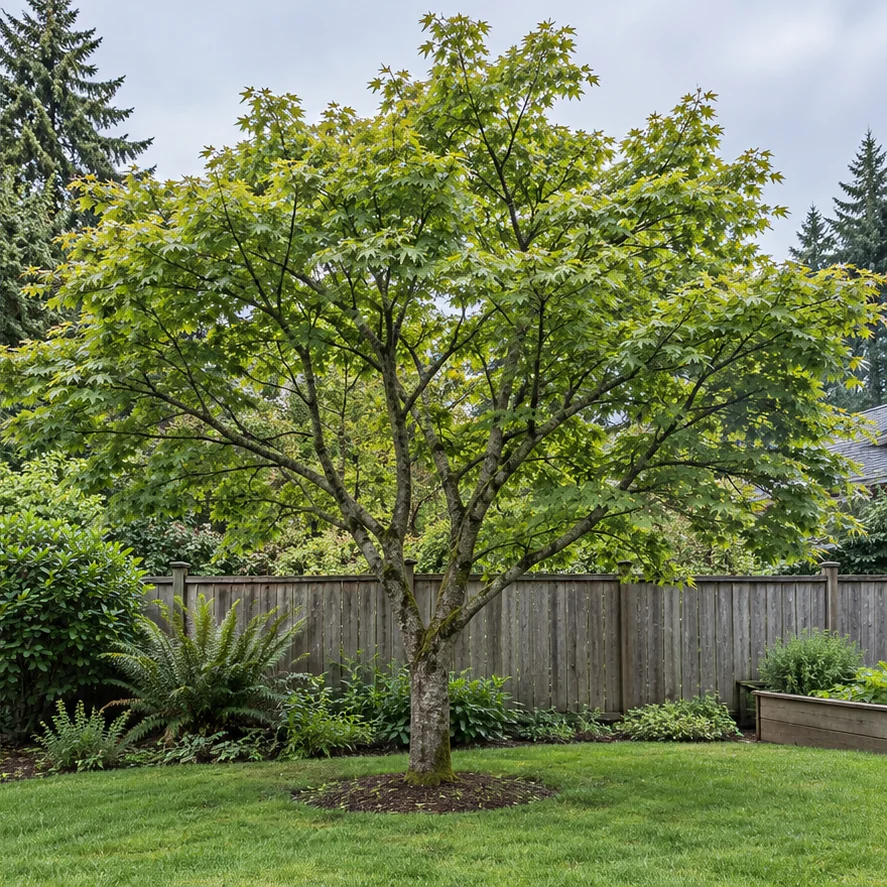
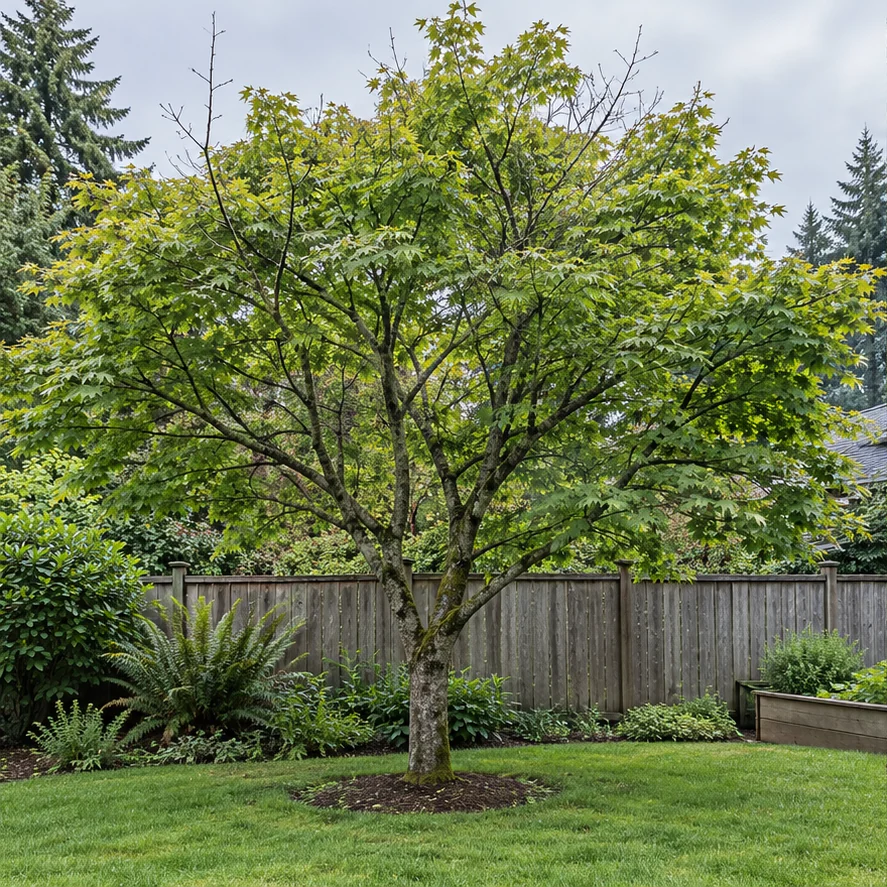
Before and after comparison
Tree Pruning & Trimming in Victoria, BC.
Explore a visual example of the outcome before defining your own scope.
BeforeAfter
Tree Pruning in Greater Victoria
Selective tree trimming with a natural canopy and garden character retained.
Drag, tap or use the arrow keys to compare.
The result and the scope belong together
Appropriate pruning improves the agreed form or clearance while retaining suitable living growth. This visual example explains a possible outcome, rather than a completed Dogwood project. Your own plant follows its species, condition and assessed scope.
Tree Pruning & Trimming in Victoria: detailed answers.
Understand your options before you book.
Is tree trimming the same as tree pruning?+
People often use both terms for cutting and shaping branches. We focus on the actual objective and choose a pruning method suited to the tree rather than relying on the label.
Can you prune for more light or a view?+
We can assess selective pruning for light or clearance. Tree condition, protected-tree rules and the amount of growth that can be retained guide the recommendation. An unrestricted view cannot always be achieved responsibly.
When should mature trees be pruned in Greater Victoria?+
Timing depends on species, condition and the purpose of the work. Routine structural work, flowering-tree care and removal of damaged branches can have different priorities. Tell us the tree type if known and what you want to achieve. A calendar date should follow that assessment rather than one rule for every tree.
How much of the living canopy should be removed in one visit?+
There is no suitable universal amount for every tree. Age, health, previous pruning and the objective influence how much live growth can be removed responsibly. Ask for the branches and intended result to be described in the quote. Protected-tree rules can also affect what work is permitted.
Can pruning stop branches from returning to the same roof?+
Pruning changes the present clearance but does not stop a tree growing. A realistic clearance target and future inspection interval are more useful than a permanent-clearance promise. Where the available space is fundamentally unsuitable, discuss the long-term options as well as the immediate branch work.
Is removing deadwood enough to explain why a tree is declining?+
Deadwood removal and diagnosis are different tasks. Clearing dead branches does not identify the cause of poor growth or resolve every structural concern. If the canopy has changed noticeably, request a health assessment alongside the pruning enquiry and share the timing of symptoms, watering changes and recent work around the roots.
What is the difference between canopy thinning and crown reduction?+
Thinning selectively removes branches within the canopy; reduction addresses the extent of selected parts of the crown. They solve different problems and both need appropriate cuts. Explain whether your priority is clearance, weight at branch ends, light or structure so the recommendation matches the actual concern.
Can young-tree pruning prevent larger maintenance problems later?+
Early attention can help establish a useful branch framework before branches become large. The goal is usually selective structural care, rather than repeatedly shrinking the young tree. Species, growth and the future use of the site guide the plan. A planting or young-tree assessment can include an appropriate follow-up discussion.