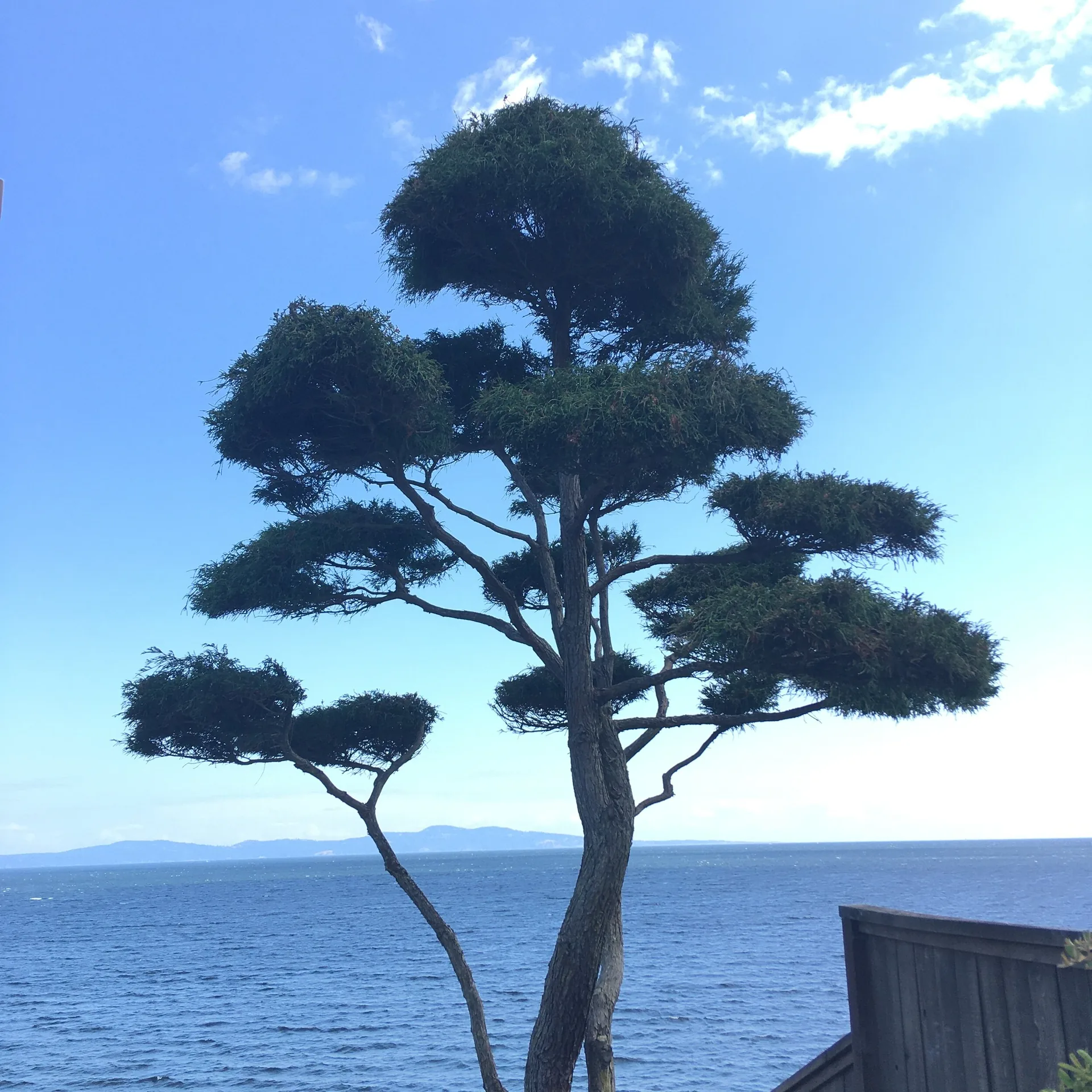
Fruit tree pruning balances health, shape and an accessible harvest. Dogwood works with established fruit trees, overgrown apples and trained forms such as espalier, with the plan suited to the tree and your garden.
Fruit-tree care balances a useful branch framework, reachable growth and the tree’s response to pruning. Species and production history guide timing and the amount of work.
Make the harvest more manageable
A fruit tree should suit the person caring for it. We discuss reachable growth, crowded branches and how you use the space beneath the tree. An overgrown tree may need a measured plan rather than a severe cut that triggers unwanted shoots.
Timing follows the tree
Apple, pear and stone-fruit trees can have different pruning needs. The species, age, condition and purpose of the work influence timing and the amount removed. Tell us what the tree produced last season and whether you have noticed damage or disease.
Espalier and smaller garden trees
Trained fruit trees need their framework preserved while new growth is managed. We look at supports, branch direction and the shape you want to keep. A recurring maintenance approach can be easier on the tree than waiting for it to become difficult to reach.
Apple and pear tree care for smaller gardens
Explain how you currently harvest and whether the tree’s height or crowded growth is making care difficult. A clear framework and reachable growth are useful goals, but removing too much at once can stimulate vigorous shoots. For an old or neglected tree, discuss the changes over more than one season rather than expecting one severe cut to solve every issue.
Record the harvest as well as the pruning
A helpful fruit-tree history includes the last crop, any broken limbs, repeated leaf symptoms and the pruning done in previous years. Those observations provide context for a care plan. A poor harvest alone does not identify a pruning problem: pollination, weather and plant health can also contribute. Ask what to monitor after the visit and how future work will be adjusted.
Fruit-tree care starts with the framework and variety
Apple, pear, plum, cherry and other fruit trees should not be treated as one identical pruning job. The age of the framework, cropping history and growth response help define the work. Explain whether the concern is reachable fruit, crowded branches, breakage or a tree that has become difficult to manage.
Your concern
An approach to discuss
What matters
Young fruit tree
Framework and training discussion.
Developing the future shape differs from reducing an established bearing canopy.
Crowded mature tree
Selective pruning around the existing framework.
The aim is an appropriate balance of retained growth and access, rather than maximum branch removal.
Long-neglected tree
A staged restoration assessment.
One drastic visit may create a different management problem; discuss a realistic sequence and follow-up.
Track growth and cropping, not just the cut branches
Keep simple notes about flowering, fruit quantity, harvest access and vigorous new shoots. Those observations help refine later work. A pruning visit cannot promise a particular crop because variety, pollination, weather and tree health also influence production.
Timing needs to suit the species and objective. Dormant work and growing-season work can have different effects, and a wet-weather or disease concern may change the plan. Share the harvest period and previous pruning dates so the recommendation fits the tree rather than a generic calendar.
Prepare a useful enquiry
Known fruit type or variety and approximate age.
Photographs showing the full framework and crowded areas.
Property conditions and current requirements differ across the region. Explore local planning for Victoria, Saanich, Langford, Colwood and other service areas, then provide the exact address for assessment arrangements.
Our tree-service pricing page explains the cost factors and inclusions to discuss. Before removal, major pruning or property changes around retained trees, check the local tree-permit guide and relevant authority.
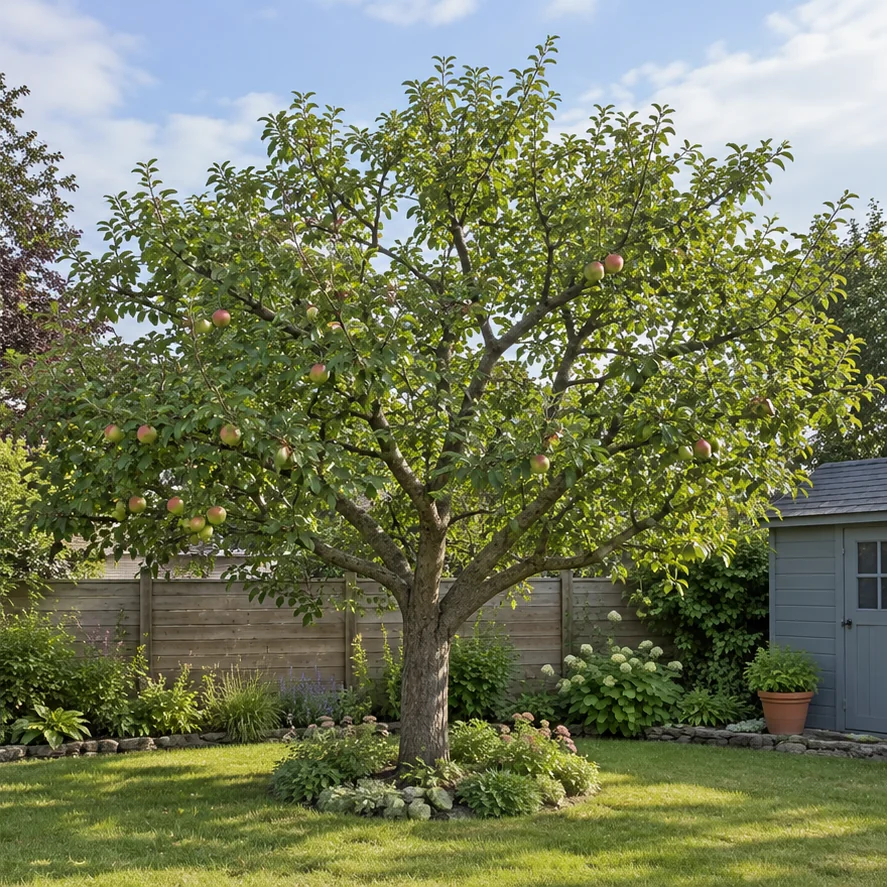
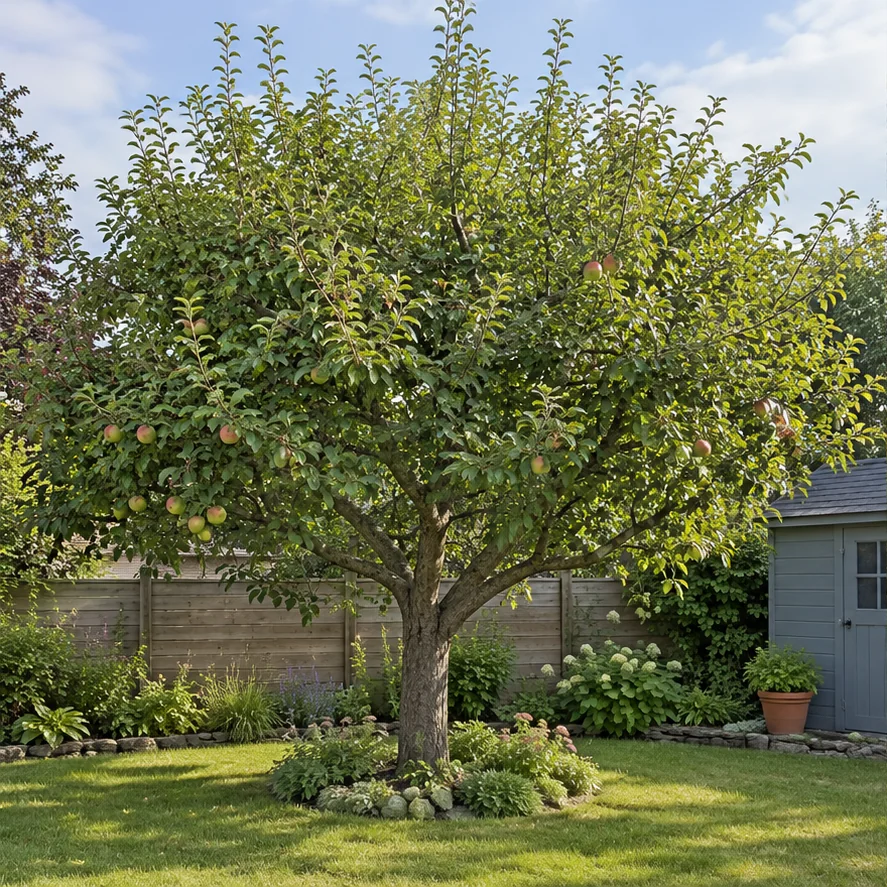
Before and after comparison
Fruit Tree Pruning in Victoria, BC.
Explore a visual example of the outcome before defining your own scope.
BeforeAfter
Fruit Tree Pruning in Victoria, BC
A more open fruit-tree framework while retaining living growth and natural form.
Drag, tap or use the arrow keys to compare.
The result and the scope belong together
The fruit-tree example shows a more open framework with living growth retained. Your variety, condition, cropping history and suitable timing determine the actual work; a photograph does not promise a particular harvest.
Yes, the existing business offers height reduction and fine pruning of fruit trees. We assess how much reduction is suitable and whether the work should be staged.
Can pruning guarantee a bigger crop?+
No. Pruning is one part of fruit tree care; weather, pollination, pests, disease and the tree’s condition also influence the harvest. We focus on practical structure and long-term care.
Do apple and cherry trees need the same pruning schedule?+
They should not automatically be treated alike. Fruit species, local conditions, disease concerns and the type of work can influence timing. Identify the tree if you can and explain the goal. The recommended schedule should suit that tree rather than apply the same winter or summer appointment to the entire garden.
What are the upright shoots growing after an old apple tree was cut back?+
Strong upright shoots can be part of a tree’s response to pruning. Their presence is a reason to review previous cuts and the desired framework, rather than simply remove everything again. Photos of the shoots and whole tree help us discuss selective management and a more gradual approach where suitable.
Can you maintain an espalier against a wall or fence?+
Yes, the existing service includes fine fruit-tree pruning and espalier care. Show the entire framework, supports and space available. The scope should preserve the trained form while managing new growth. Repairs to walls, wires or structural supports need to be identified separately from pruning.
Should an old fruit tree be replaced if the crop has declined?+
Declining production is a reason to assess the tree, not an automatic replacement decision. Consider health, branch condition, pollination, previous pruning and the space available. Pruning may be part of a plan, but it cannot guarantee production. Replacement can be discussed where the existing tree no longer meets your garden goals.
Can fruit-tree pruning make harvesting possible from the ground?+
Reachable fruit is a useful objective, but the existing structure limits how quickly a tall tree can change. A modest reduction or staged plan may be more suitable than a large immediate cut. Describe the height you can comfortably maintain and whether a different tree form would better suit the long-term garden.
What information helps assess a neglected backyard orchard?+
List the trees, approximate age or size, known varieties and the last time each was pruned. Note differences in production or symptoms rather than describing the whole group as unhealthy. Photographs of individual frameworks help establish priorities. The quote can then distinguish urgent branch work, maintenance and any separate health investigation.