Rooted in Victoria. Serving Southern Vancouver Island.eagleseyetreecare@gmail.com

Victoria tree-care planning

When should you prune trees in Victoria, BC?

A pruning date should follow the plant and the purpose of the work. A flowering specimen, fruit tree, evergreen hedge and damaged limb do not all belong on the same calendar. Start with the objective, then discuss an appropriate window.

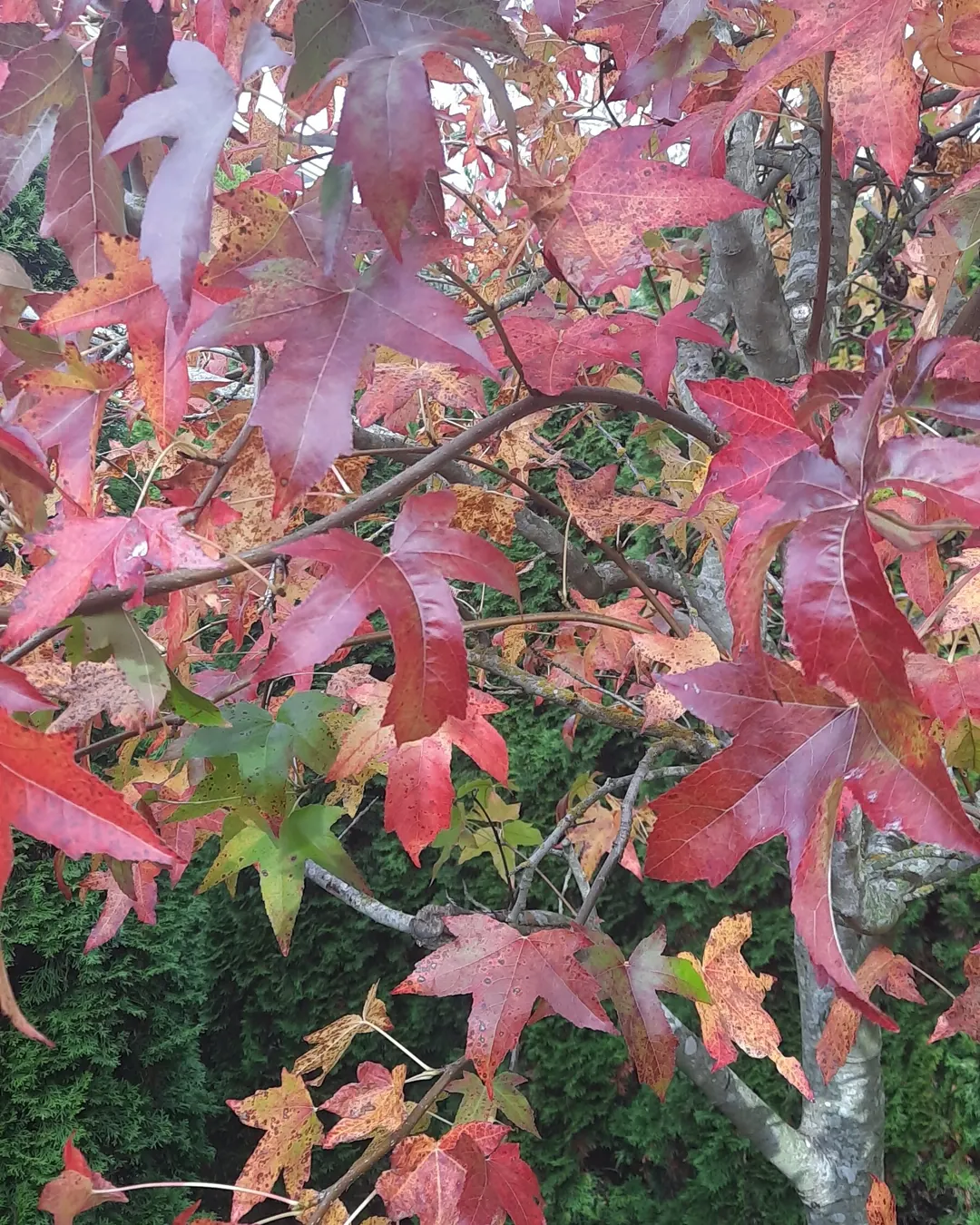
Close-up of red, orange and green autumn leaves among the branches of a small tree.

A clear starting point

Many trees can be assessed for dormant-season structural work, while fruit varieties, flowering habits, plant condition and disease concerns can change timing. Newly broken or dangerous material needs its own assessment; it should not be treated as routine seasonal shaping.

Winter planning is useful, but it is not a rule for every plant

Leafless branches can make the framework of a deciduous tree easier to discuss. This can help define structure and selected clearance work. The assessment still needs the species, condition and history; a convenient winter appointment does not make every proposed cut suitable.

Plan ahead if a particular timing window matters. Ask which objective is being addressed and whether the amount of work should be staged. The calendar is one part of the decision alongside retained canopy, access and current requirements.

Fruit-tree timing follows the variety and growth response

Tell the team whether the tree is an apple, pear, plum, cherry or another fruit type, and share the harvest and pruning history. Dormant and growing-season work can serve different purposes. A mixed group of trees may therefore need more than one plan.

For example, Pacific Northwest extension guidance identifies a different timing consideration for sweet cherries because of infection risk. Use species advice to prepare questions, then obtain a recommendation for the actual Victoria tree, weather conditions and objective. Avoid applying one fruit-tree schedule to every variety.

Flowering trees and privacy hedges need distinct objectives

If blossoms are important, identify the plant and its flowering pattern before a pruning visit. Cutting at the wrong stage can remove growth that would have carried flowers. Fine shaping, structural work and routine clipped maintenance should be discussed as different tasks.

For a hedge, define the height, live growth to retain and maintenance interval. A dense living screen and a heavily overgrown hedge need different assessment. Timing cannot overcome an unsuitable reduction into bare growth or a plant that is poorly matched to its space.

Condition can change a seasonal plan

New breakage, unusual dieback or a visible structural change deserves a separate conversation. Explain when it appeared and what is below the affected area. Do not wait for a preferred shaping season to ask about a new concern near occupied space.

For routine work, share recent drought stress, soil changes and earlier heavy pruning. The tree’s capacity to respond matters. A useful seasonal plan also says what will be observed afterwards and when follow-up advice is needed.

Plan the timing around the objective

Plant or concernInformation to provideTiming question to ask
Deciduous garden treeSpecies, framework and clearance objective.Would dormant-season work suit this tree and scope?
Fruit tree or flowering specimenVariety, harvest or flowering history and previous cuts.Which growth needs to be retained and what window suits the objective?
Hedge or newly damaged branchSpecies and target outline, or the recent damage.Is this maintenance work, staged reduction or a separate damage assessment?
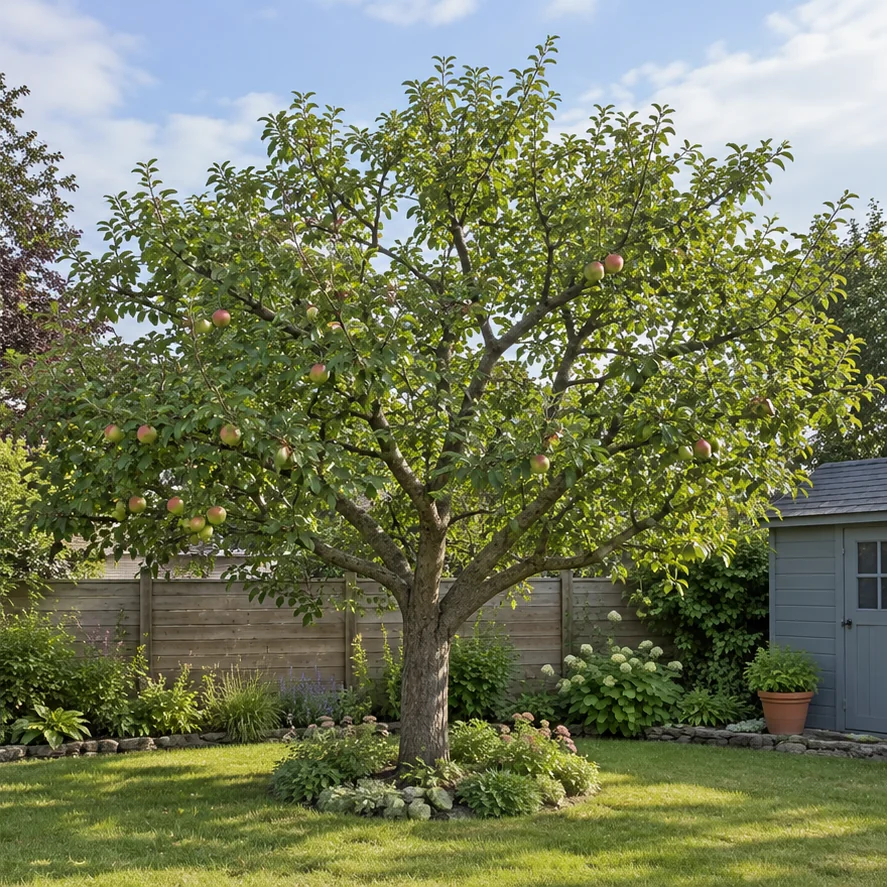
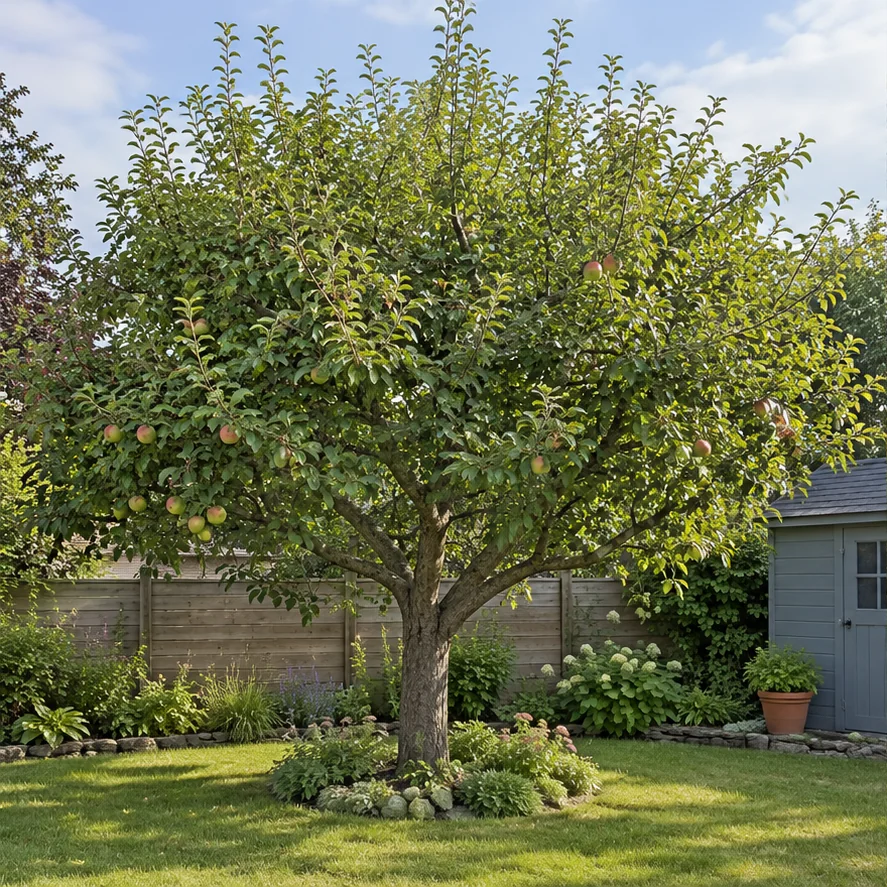
Apple tree framework after selective pruning with living canopy retained in a visual comparison.Apple tree framework before selective pruning in a visual comparison.BeforeAfter

Fruit Tree Pruning in Victoria, BC

A more open fruit-tree framework while retaining living growth and natural form.

Drag, tap or use the arrow keys to compare.

Before and after comparison

Understand the outcome before choosing the work.

Use this visual example to explore the difference. It shows a possible outcome rather than a completed Dogwood project. Your tree, stump and garden conditions determine the appropriate scope.

Explore the tree-care gallery

Clear advice, from the start

More answers: when to prune trees in victoria bc.

Understand your options before you book.

Is there one best month for every tree-pruning job in Victoria?

No. Species, condition and the reason for pruning can change the suitable window. A fruit tree, flowering ornamental and clearance task may need different timing. Ask for a recommendation tied to the actual tree and the work rather than a single month for the whole garden.

Should apple and cherry trees automatically be pruned on the same visit?

Not automatically. Provide both types and the goal for each. Their growth and disease considerations can differ, and a shared appointment should still follow suitable methods and timing. The assessment can establish whether one visit or separate stages make sense.

What should I record before planning next season’s fruit-tree care?

Keep notes on flowering, harvest access, crop quantity and vigorous new growth, along with pruning dates. These observations help define the next objective. Crop outcomes depend on more than pruning, so the plan should not promise a fixed yield.

Can I request ornamental pruning without losing next season’s flowers?

Explain that flowering is a priority and identify the plant. The timing and branches retained need to account for its flowering habit. A responsible scope discusses the achievable result; it should not treat every flowering tree as a hedge to be clipped uniformly.

Does a winter booking mean heavy pruning is appropriate?

No. A season does not establish how much living material the tree can sensibly lose. Condition, previous cuts and the desired structure still determine the scope. Ask why the proposed amount is suitable and whether staged work would better support the objective.

When should I ask about a broken branch instead of waiting for maintenance?

Ask when the damage is noticed, especially above a route, building or occupied garden area. Keep the affected space clear and call to confirm assessment availability. Damage enquiries are distinct from routine seasonal shaping and do not imply guaranteed emergency dispatch.

Tell us about your property

Good tree care starts
with a conversation.

Share your tree or hedge concern, your address and the result you want. We’ll discuss the suitable work and prepare a free, no obligation quote.

Call Today for a Free Quote778-678-7771eagleseyetreecare@gmail.com
  • Complimentary initial advice
  • A property-specific plan
  • A clear scope before work begins

For an urgent tree concern, call to check availability. For a direct inbox enquiry, email your address, photos and the work you need.

No obligation. Just a clear next step.

Request Your Free Quote

No obligation. We use your details to respond to this quote. Privacy Policy.

Call 778-678-7771 for a Free Quote